How Platforms Actually Detect Multi Accounting
Social networks do not just look at your username and password. Every time you log in, you leave behind a trail of technical signals that quietly identify you. The two biggest ones are your IP address and your browser fingerprint.
Your IP address is essentially your home address on the internet. If ten different accounts all log in from the exact same IP within a short window, that is a glaring pattern no algorithm will miss. It does not matter how carefully you crafted each profile, because a shared IP ties them all together instantly.
The browser fingerprint is subtler and, frankly, more dangerous. Your browser broadcasts a surprisingly detailed profile of your device: screen resolution, installed fonts, time zone, language settings, graphics card details through WebGL, canvas rendering quirks, and dozens of other data points. Combined, these create a fingerprint that is often unique enough to identify you even when your IP changes. Two accounts sharing an identical fingerprint are just as suspicious as two accounts sharing an IP.
The uncomfortable takeaway is this. Even if you use separate emails, separate phone numbers, and log in at different times, you can still get flagged if your accounts share the same underlying digital footprint.
Why Dedicated IPs Are the Foundation
The first line of defense is giving each account its own clean IP address. This is where proxies come in. A proxy routes your traffic through a different server, so the platform sees the proxy IP rather than yours. Assign a distinct proxy to each account, and suddenly each profile looks like it is accessed by a separate person in a separate location, which is exactly what you want.
Not all proxies are created equal, though, and this is where a lot of operations go wrong.
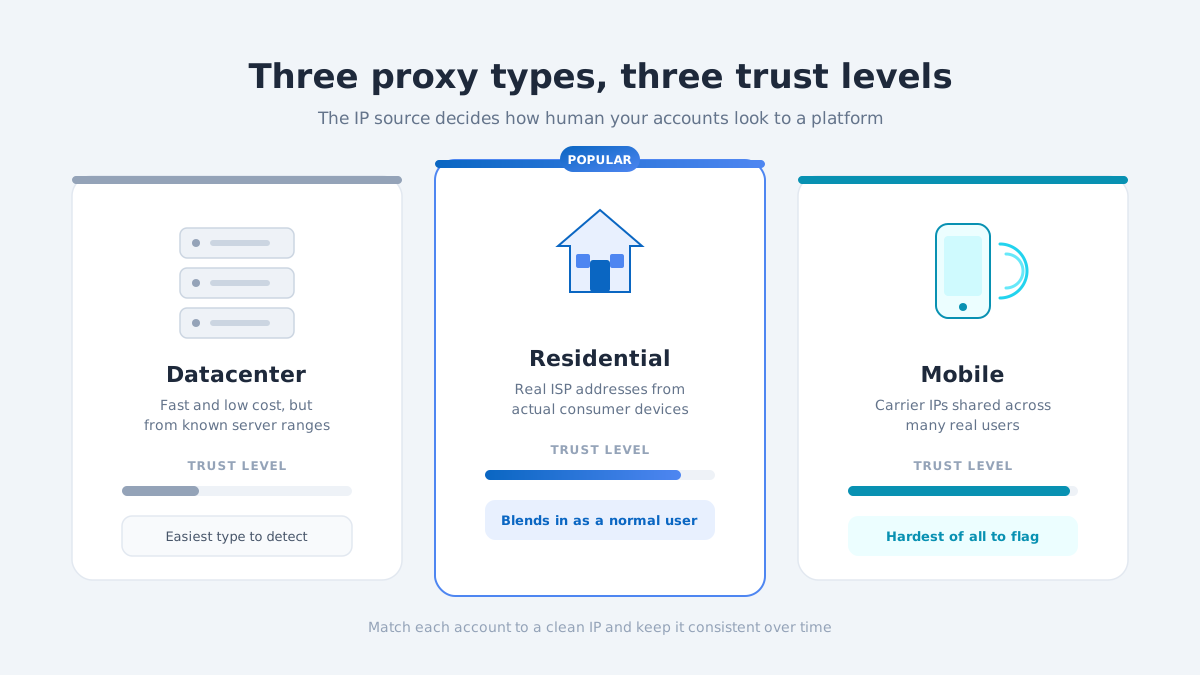
Datacenter proxies are fast and cheap, but they come from commercial servers. Platforms keep databases of known datacenter IP ranges and treat them with suspicion. They work for some use cases, but they are the easiest type to detect.
Residential proxies route your traffic through real consumer devices with real addresses assigned by an ISP. To the platform, this traffic looks like an ordinary person browsing from home. This is the gold standard for social media multi accounting because it blends in naturally.
Mobile proxies use IP addresses from cellular carriers. Because mobile networks rotate IPs among many users, these carry an extremely high trust score and are the hardest to flag.
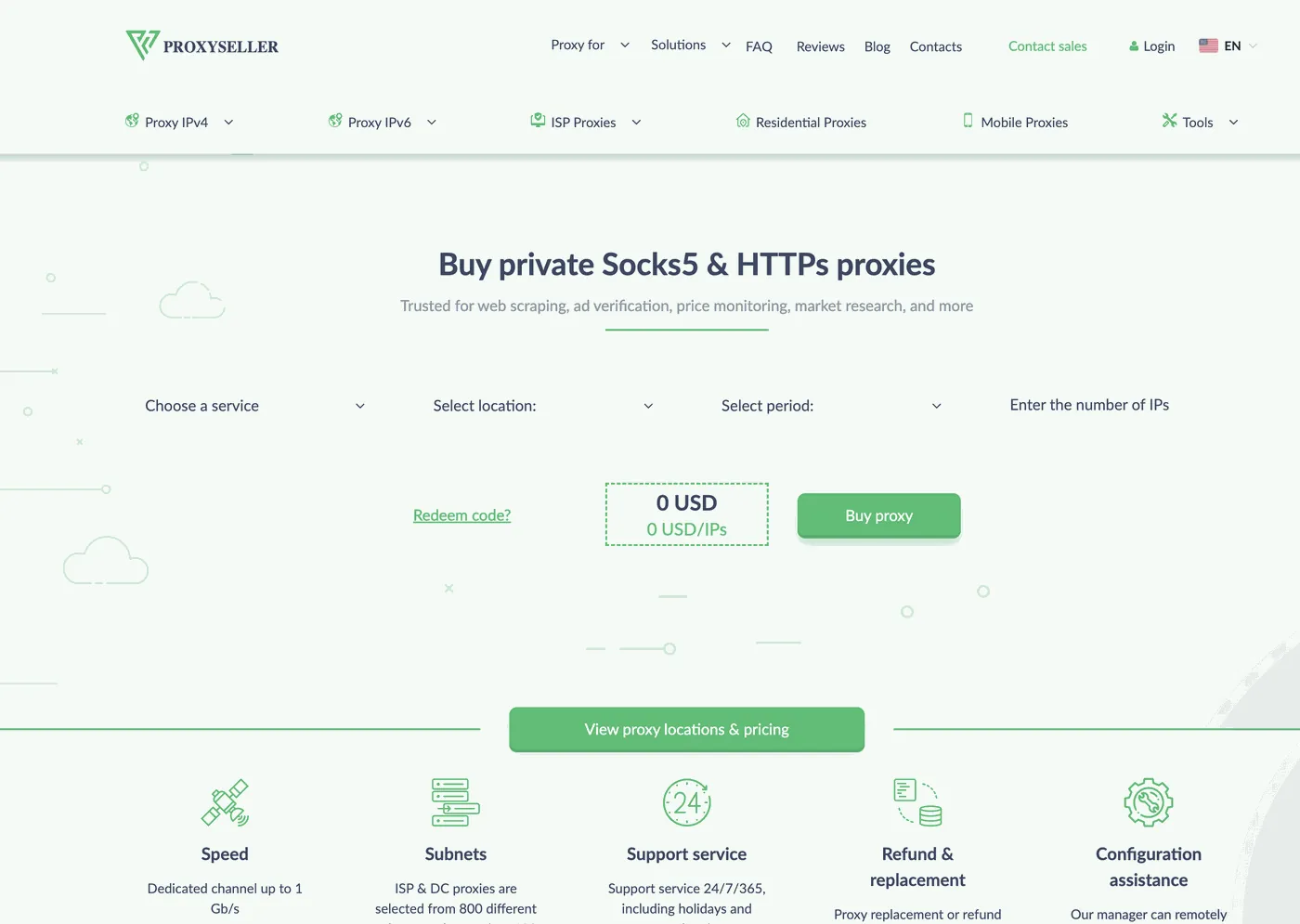
Choosing the right proxy type matters, and so does choosing a provider you can actually rely on. Quality, geographic coverage, and IP cleanliness vary enormously between vendors. Providers like proxy-seller.com offer residential, mobile, and datacenter options with granular location targeting, which makes it straightforward to match each account to a consistent, believable region. That small detail pays off over the long run.
Proxies Alone Will Not Save You
Here is the mistake that trips up even experienced operators. They buy great proxies, assign one per account, and assume they are protected. Then the bans start rolling in anyway. Why?
Because the browser fingerprint is still identical across every account.
If you run all your profiles from the same Chrome installation on the same laptop, every account shares the same fonts, the same canvas signature, the same WebGL hash, the same everything. The proxy changes your apparent location, but the fingerprint screams that these are all the same device. Platforms cross reference these signals, and a matching fingerprint can override a clean IP entirely.
This is precisely the gap that antidetect browsers were built to fill.
What an Antidetect Browser Does
An antidetect browser creates fully isolated browsing environments, often called profiles or containers, each with its own unique and consistent fingerprint. Instead of one browser pretending to be many, you get what looks like many genuinely different devices.
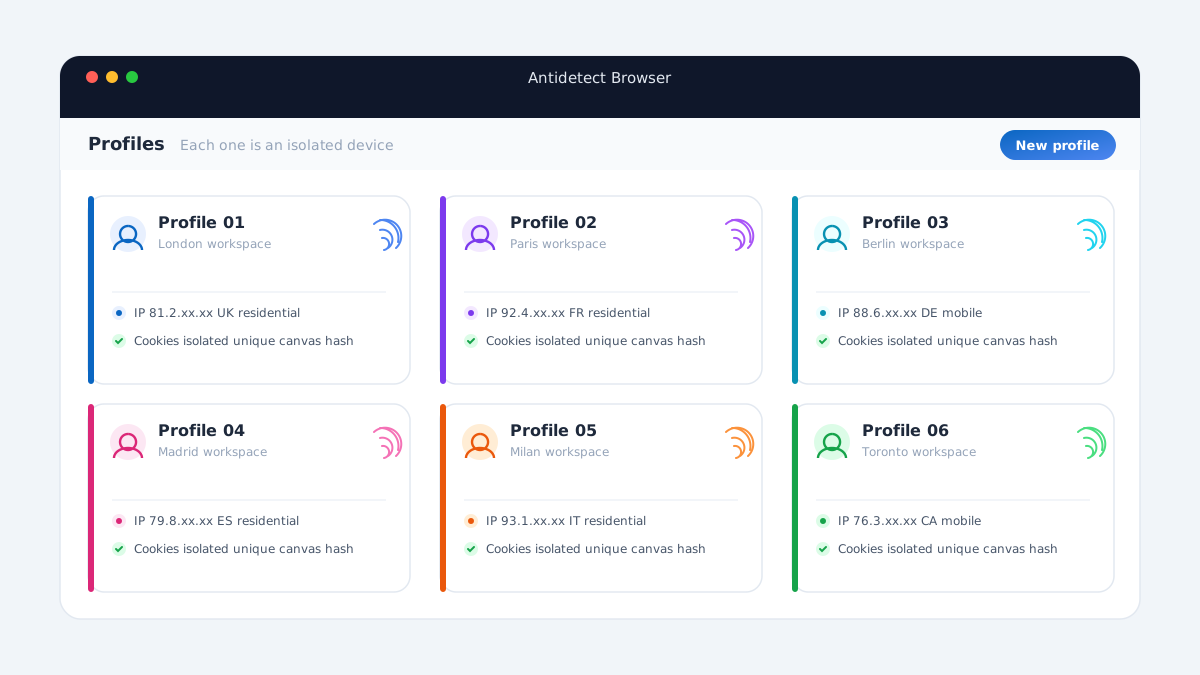
In practice, each profile gets a distinct fingerprint, with its own screen resolution, fonts, time zone, WebGL and canvas values, so no two profiles look alike. It also gets isolated cookies and storage, so a login on one profile never contaminates another. And it gets its own proxy binding, so you attach a specific proxy to each profile and lock the IP and the fingerprint together into one coherent identity.
That last point is the key. A proxy without a matching fingerprint is a half measure. A fingerprint without a dedicated proxy is equally exposed. It is the combination, one clean IP paired with one consistent and unique fingerprint per account, that actually holds up under scrutiny.
Putting It All Together
If you are building a multi account operation that lasts, here is the workflow that works.
Keep one account on one profile with one proxy. Never share a proxy or a browser profile between accounts, and treat each identity as fully separate.
Match the region. Assign a proxy located near where that account is supposed to be based. A profile that claims to be in Paris but logs in from a São Paulo IP is a red flag.
Prefer residential or mobile IPs for anything sensitive. The extra trust score is worth the cost when a ban wave hits.
Keep sessions consistent. Once an account is tied to a fingerprint and a proxy, do not shuffle them around. Stability looks human, while constant change looks automated.
Warm accounts up gradually. New profiles that immediately blast out hundreds of actions get flagged fast, so ramp up activity like a real user would.
Get the infrastructure right and everything downstream, from automation to scheduling to engagement, becomes far safer. The teams that scale without constant firefighting are almost always the ones who invested in clean IPs and proper browser isolation from the start.
Still need the accounts themselves? You can buy LinkedIn accounts that come verified with 200+ connections, then give each one its own proxy and browser profile as shown here.
The Bottom Line
Multi accounting is not inherently risky. Being careless about your digital footprint is. Platforms detect duplicate operators through IP addresses and browser fingerprints, so the solution has to address both. Dedicated proxies give each account its own believable location, and an antidetect browser gives each one its own believable device. Neither works well alone, but together they form a foundation stable enough to build a real operation on.
If you are just getting started, keep it simple. Pick a reliable proxy source like proxy-seller.com with solid residential and mobile coverage, pair it with an antidetect browser, and commit to the rule of one identity per account. That discipline is what separates operations that quietly scale from the ones that collapse the first time a platform tightens its detection.